
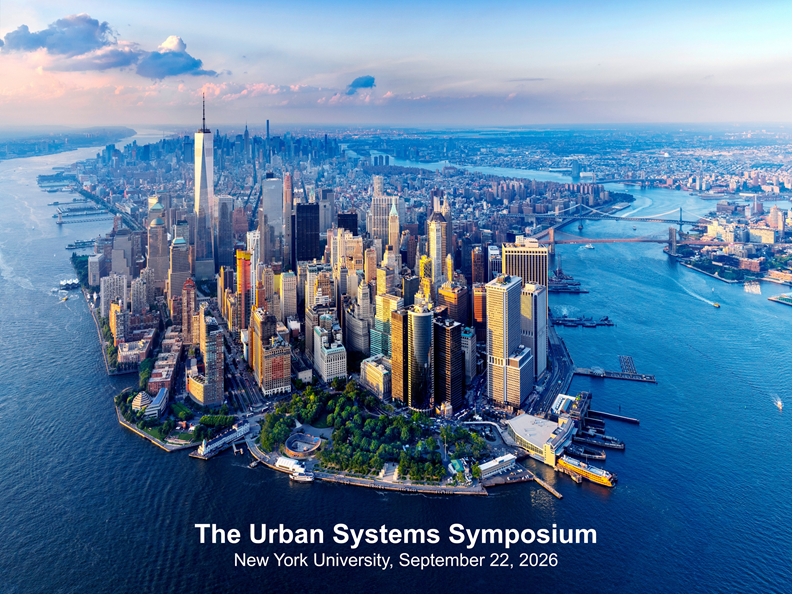
About
The Urban Systems Symposium offers the opportunity for academic scholars, planners, policymakers, and innovators to explore the multifaceted nature of the urban environment. It is a venue where we will examine the intricate web of relationships, challenges, and opportunities that are shaping our cities.
Cities are ecosystems shaped by layers of infrastructure, social networks, economic forces, and ecological environments. In this context, urban systems are best understood as interconnected and evolving networks that require integrated solutions across disciplines.
What distinguishes cities from the non-urban world is the tractable role of governance. In that sense, cities are shaped by a diverse but perhaps easier to track array of factors: political agendas, historical legacies, technological advancements, and the challenges of an ever-growing population. This makes urban systems unique from the point of view of decision implementation, but also in their potential to create profound impact—both positive and negative—on the lives of billions of people.
At this symposium, we will delve into how cities operate as complex systems, exploring the intersections between people, technology, and the environment. We’ll explore questions such as: How can we design urban spaces that are livable and resilient? What role do information and technology play in optimizing city services? How well can we model the interaction of physical, natural, and human systems? How can cities offer the opportunity to design for equity?
Please see the details below on abstract submission and oral presentations.
Venue

Venue: New York University Campus (40 Washington Square S, New York, NY 10012, USA)
Date: Tuesday, September 22, 2026, 9 a.m. to 6 p.m.
Program
9:30Sessions Begin
-
 Master of Ceremonies
Francisco Pineda
The New School
Climate Resilience
-
 Session Chair
George Thurston
New York University, School of Medicine
George Thurston
New York University, School of Medicine
Biography
George Thurston is Professor of Medicine and Population Health at NYU School of Medicine. His research focuses on the health effects of air pollution, particularly fine particulate matter, ozone, asthma, and cardiovascular disease. He has conducted influential studies on air pollution and mortality, including research on pollution sources and health impacts in New York City and cities worldwide. His work has also informed public policy through scientific advisory roles, congressional testimony, and global environmental health initiatives.
Part 1 9:30 - 10:00
-

Evaluating the Child Health Benefits of Cool Roofs in New York City
Alexander Azan
New York University, School of Medicine
Evaluating the Child Health Benefits of Cool Roofs in New York City
Alexander Azan
New York University, School of Medicine
Biography
Alexander Azan, MD MSc, is an Assistant Professor of Population Health and Medicine at the NYU Grossman School of Medicine, a board-certified internist and primary care physician with the NYU Langone Family Health Centers, Director of the NYU Langone Community Service Plan's ADAPT Initiative, and the Acting Director of Project HEATWAVE. Dr. Azan's research examines the health impacts of extreme weather in urban settings and develops data-informed, health-centered, and community-partnered approaches to adaptation and resilience.
Abstract
Objective: To examine the impact of high albedo ("cool") roof installations on child heat-related health outcomes in New York City (NYC).
Methods: Among children aged 0-17 in NYC census blocks (CBs), cool roofs were defined as the CB-level percentage of roof surface with solar reflectivity ≥60. Heat-sensitive pediatric emergency department (ED) diagnoses were selected from prior literature and identified in all-payer claims data. We used a difference-in-differences approach comparing monthly ED visit rates per 1000 children during summer months (May-September) before (2016-2017) and after (2018-2019) installation.
Results: CBs with a 25-percentage point increase in cool roof surface area had lower respiratory ED visit rates (-0.80, 95% CI -1.52, -0.07).
Conclusions: These findings support further evaluation of cool roofs as a scalable urban heat mitigation strategy for pediatric health.
-
Procurement for the Planet: Policy Approaches to Greening Urban Public Spending
Emma Lecavalier
University of Oxford, School of Government
Procurement for the Planet: Policy Approaches to Greening Urban Public Spending
Emma Lecavalier
University of Oxford, School of Government
Biography
Emma Lecavalier is a Postdoctoral Researcher at the University of Oxford’s School of Government. Her research examines climate rules and regulation, focusing on how climate governance is developed and evaluated across jurisdictions. She co-leads the Oxford initiative in Green Approaches to Public Procurement, exploring how government spending can advance green objectives in sectors such as construction, food, and agriculture. Her work also investigates the relationship between public and private authority and the role of standards and metrics in shaping climate governance and policy.
Abstract
Public procurement is a powerful but underused lever for climate action. Governments spend 13–20% of global GDP annually on goods, works, and services, and that spending generates an estimated 15% of global emissions. At the city-scale, that footprint is set to grow, as urbanisation and growing investment in urban resilience and infrastructure can increase demand for concrete, steel, and other emissions-intensive construction materials. Meeting resilience and climate goals therefore requires governments not only to build more, but to use procurement to simultaneously decarbonize and drive innovation in the materials they purchase.
Drawing on 60+ expert interviews and cross-national policy tracking, this paper examines how governments governments are using procurement spending in transformative ways, greening what they buy, who they buy from, and how they buy. It demonstrates how standards, life-cycle assessments, supplier requirements, market engagement, and smarter contracting can reduce emissions while stimulating innovation.
-
Making Cities Climate Resilient
Snigdha Garg
C40
Making Cities Climate Resilient
Snigdha Garg
C40
Biography
Snigdha Garg is Head of Adaptation Research and Performance at C40, leading adaptation research and performance, managing research projects and integrating adaptation across C40’s programmes. Her work focuses on climate resilience strategies, disaster risk reduction, and climate mitigation and adaptation planning for cities, with additional experience in sustainability consulting, project management, and urban resilience. Her expertise spans urban resilience, climate justice, resilient infrastructure, climate change adaptation, and urban policy.
Abstract
Cities are bearing the brunt of climate impacts right now—and waiting gets harder. Based on C40 Cities' work across the globe, we'll explore what actually builds resilience and where we're falling short. From governance structures to financing mechanisms to how departments coordinate internally and across levels of government, the landscape is complex. This talk examines what's working and what's not when it comes to making cities truly resilient—and we'll dig into the role of municipal leadership, cross-sectoral partnerships, and integrated planning. We'll look at concrete C40 examples across different geographies and governance contexts, and discuss what support cities need from national governments, philanthropies, and private-sector players. The challenge isn't that cities lack ambition or innovation. It's about alignment, coordination, and ensuring the systems supporting urban resilience actually work together. We'll unpack what that looks like in practice.
Part 2 10:00 - 10:45
-
Population Growth in the Superstorm Sandy Inundation Zone
Ryan Brenner
New York University, Tandon School of Engineering
Population Growth in the Superstorm Sandy Inundation Zone
Ryan Brenner
New York University, Tandon School of Engineering
Biography
Ryan Brenner is a PhD candidate in Urban Systems at NYU Tandon School of Engineering, where his research examines how governance, policy, and scientific knowledge shape the translation of climate science into urban decision-making. His work spans climate mitigation and adaptation, including building energy policy, flood exposure, and disaster resilience, with a focus on interactions among physical, environmental, and social systems. He holds an M.S. in Public Policy, a J.D., and a B.S. in Conservation Biology.
Abstract
Population growth within flood zones increases risk by exposing additional residents to flooding. Unlike probabilistic maps produced by FEMA, Superstorm Sandy provides an instance of storm surge flooding that many New Yorkers experienced firsthand. This study estimates the change in population within the area flooded by Sandy. Prior to Sandy, the population in the future flooded area increased slightly faster than in the rest of the city (3.7% vs 2.0%). Between the 2010 and 2020 censuses, the population in the flooded area increased at an even faster rate (11.4% vs 7.5%). Estimates for the periods immediately before (2007-2011) and after (2013-2017) Sandy confirm that the faster increase continued after the storm (7.3% vs 5.2%). Although resilience investments at the community or household level may reduce vulnerability, this study finds population is increasingly concentrated in areas exposed to coastal storm surge flooding.
-
Do Public Adaptation Investments Protect or Signal Risk?
Chin-Wei Chen
Rutgers University, Alan M. Voorhees Transportation Center (VTC), Bloustein School of Planning and Public Policy
Do Public Adaptation Investments Protect or Signal Risk?
Chin-Wei Chen
Rutgers University, Alan M. Voorhees Transportation Center (VTC), Bloustein School of Planning and Public Policy
Biography
Chin-Wei Chen, Ph.D., is a Postdoctoral Associate at Rutgers University's Voorhees Transportation Center. As an interdisciplinary urban planner, his research examines how cities adapt to climate change and navigate technological and societal transformations. His work focuses on climate adaptation, infrastructure planning and governance, housing markets, and social infrastructure, with particular attention to equity and human behavior. He seeks to bridge research, policy, and practice to support more resilient, inclusive, and sustainable urban futures.
Abstract
As climate risks intensify, cities are investing heavily in infrastructure to strengthen urban resilience. Yet whether these investments generate measurable value for nearby residents remains unclear. This study examines whether public adaptation investments protect housing markets by reducing perceived risk or inadvertently signal underlying vulnerability. Using New York City as an empirical case, I link property transactions, flood risk data from the First Street Foundation, and municipal adaptation projects to estimate how nearby investments shape housing prices. The analysis distinguishes between a protection effect, where adaptation reduces perceived risk and supports property values, and a signaling effect, where visible investment heightens risk awareness. Results show that market responses vary across infrastructure interventions and levels of flood exposure, suggesting that adaptation does not generate uniform market benefits. These findings show how the type and design of public adaptation investments can shape both perceived risk and economic value.
-
Resilience Knowledge as Public Infrastructure
Samuel Robinson
Field Form / Flood Form
Resilience Knowledge as Public Infrastructure
Samuel Robinson
Field Form / Flood Form
Biography
Samuel Robinson is a landscape designer, builder, and resilience strategist working to rethink how cities adapt to climate change at the property and neighborhood scale. He is the founder of Field Form and Flood Form, a platform translating complex flood risk into actionable strategies for buildings and communities. Drawing on more than fifteen years of experience in New York City, his work connects design, technology, infrastructure, and community action to create more resilient urban systems.
Abstract
Climate adaptation will require the transformation of millions of individual buildings that collectively form our urban systems. Yet the knowledge required to make these changes—climate exposure, infrastructure conditions, design strategies, costs, and implementation pathways—remains largely accessible only through specialized professional services.
Retrofitting at the scale demanded by climate change requires a democratization of design. Residents and communities need transparent access not only to information about their risk, but to the tools necessary to understand, evaluate, and act upon it.
This is both a practical and an equity imperative. Without accessible pathways from climate data to physical intervention, adaptation will disproportionately benefit those able to purchase expertise and navigate complex systems.
Equal adaptation therefore requires treating resilience knowledge as public infrastructure: connecting transparent data, accessible design tools, community decision-making, skilled labor, and public investment to enable distributed retrofitting at urban scale.
-
Resilience and permeability of constructed boundaries
Vera Parlac
New Jersey Institute of Technology
Resilience and permeability of constructed boundaries
Vera Parlac
New Jersey Institute of Technology
Biography
Vera Parlac is an architect and Associate Professor at the Hillier College of Architecture and Design at New Jersey Institute of Technology. Her work explores integrative approaches to architectural design and practice, with a focus on responsive material systems informed by biology, material science, and mechatronics. Through design research, she investigates how materials and architectural assemblies can embody behavior and adapt to changing conditions, bridging architecture with broader technological and scientific disciplines.
Abstract
In nature, the capacity of organisms to adapt to changes in their environment defines their resilience. In the built environment, resilience is traditionally seen as a capacity to resist a potentially catastrophic event and is achieved using specific materials, specific construction techniques, or by engineering a strong enough response.
How can we design for resilience without resorting to the heavy-handed control of unpredictable events? As the natural and constructed worlds meet there is a need to control the boundary (interface) between them by preventing what we perceive to be undesirable effects. That very space is what generates some of the most interesting questions pertaining to the humanity’s relationship to technology. Impermeability of a boundary that separates the constructed environments from the natural, and perception of what undesirable is, might need a second look.
Health
-
 Session Chair
Jo Ivey Boufford
New York University, School of Global Public Health
Jo Ivey Boufford
New York University, School of Global Public Health
Biography
Jo Ivey Boufford, MD is a Clinical Professor of Global Health at the NYU School of Global Public Health and Clinical Professor of Pediatrics at the NYU Grossman School of Medicine. She is President Emeritus of The New York Academy of Medicine and Chairman Emeritus and current Member of the Board of the International Society for Urban Health (ISUH). She served as Dean of the Robert F. Wagner Graduate School of Public Service from June 1997 to November 2002. She was elected to membership in the US National Academy of Medicine (formerly IOM) in 1992, and the National Academy of Public Administration in 2015.
Abstract
Cities are complex systems. Achieving urban health is a complex challenge. While the traditional sectors of personal health care delivery and public health are critical, the evidence is clear that sectors outside these such as transportation, housing , urban planning, environment, education and others play more critical roles in creating the conditions for health in urban communities. Climate change has become an increasing challenge for health in cities . Counteracting the health and mental effects of air pollution, heat , flooding and decisions about use of urban spaces are increasing concerns for urban leaders.
Political leadership that promotes health must take a systems approach working across government agencies, with stakeholders from civil society and the private sector and with communities themselves to achieve a Health in All Policies approach to governance that makes sustainable changes to promote healthy cities.
Part 1 10:45 - 11:15
-
Shifting urban health governance and practice
Jose Siri
HCx Global
Shifting urban health governance and practice
Jose Siri
HCx Global
Biography
José Siri is an epidemiologist and systems thinker specializing in urban and planetary health. He is Principal and Founder of HCx Global and works across research, policy, and practice to advance integrated approaches to healthy urban development. His work spans climate and health, sustainable development, transdisciplinary research, and practical tools for decision-making, including contributions to WHO, World Bank, and international urban health initiatives.
Abstract
Over the last century, urban dwellers have become healthier on average. Yet progress has also revealed intractable challenges—health inequities, poor environmental and social conditions, and enduring or reemerging diseases, among others. Meanwhile, increasingly risky and volatile environmental, social, political, economic and informational dynamics shape a new reality for those working to improve urban health. Analytically, systems thinking has long been recognized as critical to resolving complex, persistent challenges, yet has rarely been applied in urban health practice. Rather, such practice has often consisted of collections of programmes—often restricted to the health sector—targeting individual problems as they arise, rather than cross-cutting, integrated strategies accounting for interdependencies, leveraging political and social dynamics, and anticipating needs to ensure long-term continuity and resilience. This presentation will show how WHO and others have recently begun to emphasize practical approaches to the strategic systems dimension of urban health governance and practice.
-

Connecting the Dots: Universities as Partners for Healthier Cities
Kiera Bloch
New York University, School of Global Public Health
Connecting the Dots: Universities as Partners for Healthier Cities
Kiera Bloch
New York University, School of Global Public Health
Biography
Kiera is a doctoral candidate at NYU School of Global Public Health focusing on how interdisciplinary and intersectoral partnerships can address urban health challenges. She is also the Program Manager for the Department of Global & Environmental Health at NYU GPH.
Abstract
The determinants of urban health extend beyond the health sector, encompassing housing, transport, infrastructure, environment, economic development, and governance. Despite their influence on health and wellbeing, the expertise and institutions responsible for these domains often remain fragmented. Universities are well positioned to bridge these divides by mobilizing interdisciplinary expertise and fostering connections with government, communities, and other sectors. Applying a health lens can offer a unifying framework for collaboration, facilitating the development of a shared agenda that integrates diverse expertise, priorities, and perspectives. Achieving this integration often requires universities to address internal disciplinary and institutional silos and to transition from transactional or individual partnerships to more coordinated and sustained models of engagement. By serving as conveners, knowledge partners, and bridges across sectors, universities can enhance collaboration, link evidence with policy and practice, and promote a systems approach to addressing complex urban challenges and improving health and wellbeing.
-
The Need for Improved Data and Data Sharing to Address Homelessness
Ingrid Gould Ellen
New York University, Graduate School of Public Service
The Need for Improved Data and Data Sharing to Address Homelessness
Ingrid Gould Ellen
New York University, Graduate School of Public Service
Biography
Ingrid Gould Ellen is the Paulette Goddard Professor of Urban Policy and Planning at the NYU Wagner Graduate School of Public Service and Faculty Director at the NYU Furman Center. Professor Ellen has written numerous peer-reviewed articles related to housing policy, neighborhood change, segregation, and the effects of housing and neighborhood environments on life chances.
Abstract
Homelessness inflicts severe trauma, disrupting health, employment, education, and personal relationships. While there is no single, simple solution to this crisis, evidence points to several policies that can help to prevent homelessness and shorten its duration. But these responses generally require far more substantial data sharing across agencies than is common. Many have charged that homelessness and housing policy systems are siloed. But much of existing work stops after leveling this criticism; few researchers have focused on the concrete steps that could be taken to help foster improved data sharing. I point to several concrete examples of how data sharing could improve the effectiveness of interventions to address homelessness. To be clear, better data collection, management and integration cannot solve the problem of homelessness on its own. But better data is a necessary first step.
Part 2 11:15 - 11:35
-

The Urban Airborne Exposure Landscape
Wuyue Yu
New York University, School of Global Public Health
The Urban Airborne Exposure Landscape
Wuyue Yu
New York University, School of Global Public Health
Biography
Dr. Yu is a researcher in the Division of Environmental Medicine at NYU Grossman School of Medicine and an instructor at the NYU School of Global Public Health. Her research focuses on the physical and mental health effects of source-specific air pollution exposures and the public health benefits of emission reductions and climate change mitigation. Her work has direct relevance to public health policy and has been covered by media outlets including CNN, the Associated Press, NPR, and The New York Times.
Abstract
Fine particulate matter (PM2.5) and aeroallergens are established triggers of respiratory morbidity, but few studies have jointly evaluated total PM2.5, source-specific PM composition, and pollen in relation to asthma vs other respiratory emergency department (ED) visits.
We constructed weekly New York City time series (2022–2025) integrating PM2.5 mass and source components, pollen counts, and ED visits. Source contributions were estimated by factor analysis and absolute principal component analysis. We fit quasi-Poisson generalized additive models adjusting for seasonality and long-term trends, comparing models using total PM2.5 and pollen vs. source- and type-specific exposures.
In PM2.5 mass models, weekly asthma ED counts were independently associated with total PM2.5 mass concentration (RR per IQR [3.52µg/m³]: 1.014, 95%CI: 1.004-1.023) and total pollen (RR per IQR [34.3pcm]: 1.005, 95%CI: 1.002-1.009). In fully adjusted source-specific PM2.5 models, asthma ED visits were positively associated with tree pollen (RR per IQR [26.7pcm]: 1.005, 95%CI: 1.002-1.008) but showed little consistent association with individual PM sources or other pollen types. For non-asthma respiratory ED visits, PM2.5 mass and total pollen were not clearly associated with elevated risk, whereas source-specific models indicated significant positive associations with traffic-related PM (RR per IQR [0.473µg/m³]: 1.047, 95%CI: 1.002-1.094).
These findings suggest asthma exacerbations are more closely linked to total PM2.5 mass and tree pollen, while non-asthma respiratory morbidity is better associated with source-specific PM, particularly traffic-related PM2.5, highlighting the value of jointly considering the health impacts of PM sources and aeroallergens in urban planning and development.
-

Solutions for Extreme Heat Among Older Adults
Yoko Nogami
New York University, School of Global Public Health
Solutions for Extreme Heat Among Older Adults
Yoko Nogami
New York University, School of Global Public Health
Biography
Yoko Nogami, MPH, MEng, MBA, is an experienced professional in the healthcare industry and urban design and a chartered engineer (urban and regional planning) in Japan.
Abstract
Heat waves pose a significant threat to human health, for individuals aged 65 and above. However, interventions remain insufficiently disseminated, especially at the municipal level. This study reviews interventions addressing extreme heat among older adults in large cities, focusing on health measures and infrastructure renewal, and offers recommendations applicable across cities.
Case studies conducted in Tokyo, Hong Kong, New York City, and Los Angeles since 2025 showcase that interventions for extreme heat exhibit patterns and operate at multiple levels, including individual, community, municipal, and industry scales. Short-term preparedness measures include heat alerts and cooling centers, while long-term strategies emphasize infrastructure renewal, expansion of green spaces, building retrofits, and heat-risk education for older adults and their caregivers. Evidence suggests that communication with older adults and caregivers is effective in improving heat-risk awareness and adaptive capacity.
Building on findings from these case studies, authors adopted a mixed-methods approach, combining a systematic literature review with key informant interviews, focusing on two areas: (1) heat interventions targeting older adults and (2) urban infrastructure renewal, both associated with indicators of progress. The literature review categorizes several types of extreme heat interventions. Key public health themes include community-based interventions, health effects on older adults, adaptation behaviors, and social determinants of heat-related risks. Urban planning themes include tools for identifying heat exposure, the role of green spaces in heat reduction, and planning and policy approaches such as land use. Interventions, indicators, results, and conclusions are analyzed for each study.
Insights from the literature review and key informant interviews are developed into recommendations addressing two questions: (1) how individual-level heat emergency interventions can be scaled to the community level, and (2) how professionals across healthcare, urban planning, and government can ensure the continuity of heat-related interventions.
Law & Policy
-
 Session Chair
Katrina Wyman
New York University, School of Law
Katrina Wyman
New York University, School of Law
Biography
Wyman is a property and environmental law scholar whose research examines the intersections of property rights, environmental regulation, and natural resources. Her recent work explores the role of cities in environmental law in the United States and internationally, as well as emerging approaches to property law. She also studies how legal frameworks can respond to environmental and land-use challenges.
Abstract
For over two decades, there have been efforts to boost the capacities of cities in the U.S. and other countries to address climate change and other environmental issues. These efforts reflect the fact that over 50% of the world's population lives in cities, and that national governments have been inconsistent leaders in addressing climate change and other contemporary challenges. In the U.S. in particular, the lack of a durable, comprehensive federal regime for addressing climate change has meant that states and cities have been the main sources of sustained climate policies for approximately two decades. U.S. states and cities have developed innovative policies to reduce greenhouse gas emissions. However, relying on states and cities to address climate change and other environmental issues is far from ideal. The geographic and legal scope of their authority is limited, and there are limits on the resources that they can devote to climate policy and the costs that they can impose on their residents. Many states and cities also have chosen not to pursue climate policies and the federal government is currently seeking to block the implementation of subnational climate policies in the jurisdictions that have them. Focusing on local efforts to reduce greenhouse gas emissions from buildings provides a window into the ability of city governments to mitigate climate change, and the challenges that local governments face in doing so without sustained assistance from higher levels of government.
Part 1 11:50 - 12:10
-
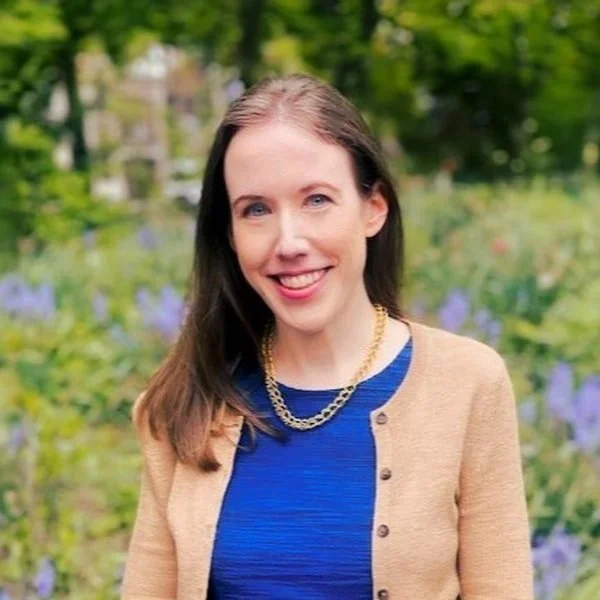
The Legal Framework for Urban Climate Policy
Christine Billy
New York University, School of Law
The Legal Framework for Urban Climate Policy
Christine Billy
New York University, School of Law
Biography
Billy is a lawyer and policy expert specializing in climate and environmental law, with additional expertise in food, labor, human rights, and local governance. Her work focuses on developing and implementing legislation and policies addressing environmental justice, infrastructure, public health, and sustainability. She has extensive experience in New York City and state government, advising public officials and agencies on environmental regulation, emergency powers, and urban policy.
Abstract
For over two decades, there have been efforts to boost the capacities of cities in the U.S. and other countries to address climate change and other environmental issues. These efforts reflect the fact that over 50% of the world's population lives in cities, and that national governments have been inconsistent leaders in addressing climate change and other contemporary challenges. In the U.S. in particular, the lack of a durable, comprehensive federal regime for addressing climate change has meant that states and cities have been the main sources of sustained climate policies for approximately two decades. U.S. states and cities have developed innovative policies to reduce greenhouse gas emissions. However, relying on states and cities to address climate change and other environmental issues is far from ideal. The geographic and legal scope of their authority is limited, and there are limits on the resources that they can devote to climate policy and the costs that they can impose on their residents. Many states and cities also have chosen not to pursue climate policies and the federal government is currently seeking to block the implementation of subnational climate policies in the jurisdictions that have them. Focusing on local efforts to reduce greenhouse gas emissions from buildings provides a window into the ability of city governments to mitigate climate change, and the challenges that local governments face in doing so without sustained assistance from higher levels of government.
-
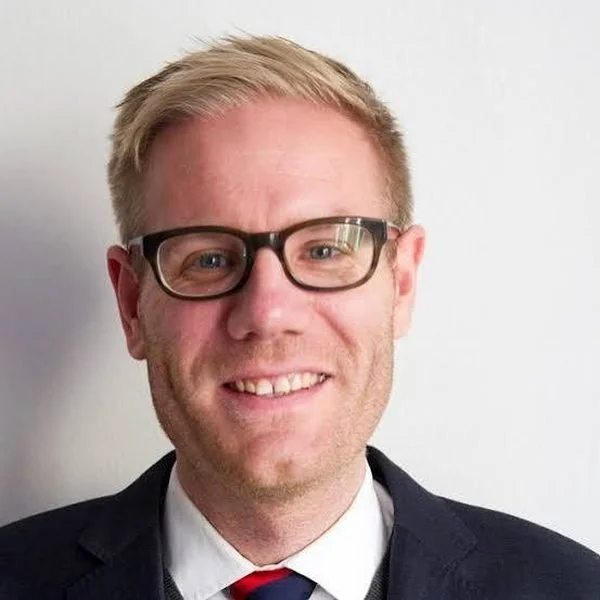
The Legal Framework for Urban Climate Policy
Nathaniel Mattison
New York University, School of Law, Guarini Center on Environmental, Energy & Land Use Law
The Legal Framework for Urban Climate Policy
Nathaniel Mattison
New York University, School of Law, Guarini Center on Environmental, Energy & Land Use Law
Biography
Mattison is an attorney whose research focuses on how local governments can advance environmental protection and sustainability, particularly through building decarbonization. His work examines the legal and policy frameworks for reducing emissions from buildings, including building performance standards and zero-emission equipment requirements. He also studies legal challenges to local and state climate policies, with a focus on how governments can implement ambitious environmental measures within existing legal frameworks.
Abstract
For over two decades, there have been efforts to boost the capacities of cities in the U.S. and other countries to address climate change and other environmental issues. These efforts reflect the fact that over 50% of the world's population lives in cities, and that national governments have been inconsistent leaders in addressing climate change and other contemporary challenges. In the U.S. in particular, the lack of a durable, comprehensive federal regime for addressing climate change has meant that states and cities have been the main sources of sustained climate policies for approximately two decades. U.S. states and cities have developed innovative policies to reduce greenhouse gas emissions. However, relying on states and cities to address climate change and other environmental issues is far from ideal. The geographic and legal scope of their authority is limited, and there are limits on the resources that they can devote to climate policy and the costs that they can impose on their residents. Many states and cities also have chosen not to pursue climate policies and the federal government is currently seeking to block the implementation of subnational climate policies in the jurisdictions that have them. Focusing on local efforts to reduce greenhouse gas emissions from buildings provides a window into the ability of city governments to mitigate climate change, and the challenges that local governments face in doing so without sustained assistance from higher levels of government.
Part 2 12:10 - 12:55
-

Digital twins to support decision making for zero emission urban futures
Oriol Gavaldà
Concordia University, Decarbonization Initiatives
Digital twins to support decision making for zero emission urban futures
Oriol Gavaldà
Concordia University, Decarbonization Initiatives
Biography
Oriol Gavaldà Torrellas is an energy-transition programme leader with 25+ years of international experience. He currently manages Decarbonization Initiatives at Concordia University's Next-Generation Cities Institute, having transformed it into an applied research programme with 11 staff and over $3M in annual funding. Previously CEO of Aiguasol, he coordinated 15+ EU-funded energy projects across Europe, Africa, and Latin America, and consulted for the World Bank on electricity access. He leads TOOLS4Cities, a leading urban digital-twin platform.
Abstract
As national carbon reduction goals and ambitious municipal climate action plans do not translate fast enough in local decarbonization projects, we investigate stakeholder configurations, energy system choices and risk reduction potentials through digital twins to accelerate project implementation.
We have developed granular and city scale digital twin modeling tools that model the energy demand of every individual building in a city, using 3D geometry information and basic metadata such as year of construction and building usage (www.tools4cities.org). From citywide building energy demand calculation we obtain the load curves that are required to design district heating and cooling systems in the street network or decentralised solutions with heat pumps. The resulting cost and emission reduction are then the basis for informed decision making.
The digital twins play a significant role in the comparison of scenarios and design alternatives, for example to understand how energy solutions based on increasing electrification will impact the distribution grid infrastructure. We have automated the data acquisition, data cleaning, data structuring and model generation process in our open source platform to allow fast rollout and use of the tools in any city.
Working with eight case study cities in Canada and the USA, we have carried out an in-depth user requirement analysis using interviews with the stakeholders involved and defined KPIs and action plans for each municipality. We will showcase two main use cases around prioritizing building upgrades and demand response programs for residential customers and district energy solutions.
We show that reducing financial risks through informed, digital twin based decision making and the right stakeholders at the table can deliver local decarbonisation projects in different context.
-
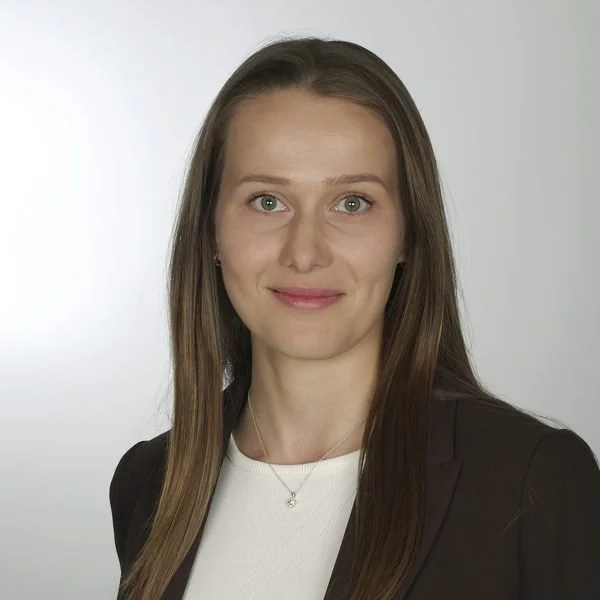
Water reuse in urban areas: A comparative Analysis of Spatial planning in Germany and US
Pia Wackler
Ostbayerische Technische Hochschule Amberg-Weiden, Department of Electrical Engineering, Media and Computer Science
Water reuse in urban areas: A comparative Analysis of Spatial planning in Germany and US
Pia Wackler
Ostbayerische Technische Hochschule Amberg-Weiden, Department of Electrical Engineering, Media and Computer Science
Biography
Wackler is a researcher working at the intersection of urban sustainability, environmental quality, and resilient infrastructure. Her research examines the role of urban greenery in supporting climate adaptation, ecological functions, and quality of life, as well as sustainable approaches to urban water management. Her work combines empirical research with practical perspectives on how cities can address environmental challenges through more sustainable planning and infrastructure.
Abstract
Dealing with water scarcity is becoming an increasingly important issue in Germany and is developing into a challenge for urban development. Several regions are already reporting seasonal shortages and increasing conflicts over water use. At the same time, water demand is growing due to increasing periods of drought and a growing global population. Targeted adaptation measures and strategic concepts are needed to secure the long-term water supply in urban areas. International examples, particularly from the US, show that water reuse in urban areas is a proven practice for strengthening urban resilience. Against this background, this research investigates why water reuse has hardly been implemented in German cities despite the technical possibilities.
Methodologically, the research combines an analysis of the German planning system with a comparative study of planning structures and instruments in the US, supplemented by expert surveys. The aim is to develop a comparative framework for water reuse in the planning systems of both countries. The international comparison serves both as a guide for possible solutions in Germany and as a reflective assessment of US practice from an external perspective.
To date, the focus of water reuse in Germany has been on the technical feasibility of achieving the required water quality. Spatial planning aspects, such as how the treated water reaches the user, have largely been ignored. Yet spatial planning provides the framework for integrating new infrastructure into complex urban systems. The regulatory framework has so far concentrated on water quality requirements, while federal regulations and specifications for spatial planning are largely lacking. Consequently, there is a lack of strategic spatial planning concepts at the municipal level for the targeted promotion of water reuse. Against this background, research is developing spatial planning solutions for anchoring water reuse in Germany and for the legal implementation of the necessary infrastructure.
-

Who Restores Urban Futures, and for Whom? Governing Value, Livelihoods and Equity in Brazil’s
James Tiburcio
University of São Paulo, Institute of Advanced Studies
Who Restores Urban Futures, and for Whom? Governing Value, Livelihoods and Equity in Brazil’s
James Tiburcio
University of São Paulo, Institute of Advanced Studies
Biography
James Augusto Pires Tiburcio is President and co-founder of SamaÚma (Nature-based Solutions) and a Research Fellow at the Institute of Advanced Studies (IEA), University of São Paulo. Holding a doctorate in Sustainable Development from the University of Brasília, he leads community-led, agrochemical-free landscape restoration with Indigenous, quilombola and traditional communities across Brazil—spanning native-seed collection, community nurseries and mangrove restoration on the Maranhão coast—and champions a restoration economy measured by verified ecological outcomes and local livelihoods.
Abstract
Cities increasingly shape ecological restoration beyond their administrative boundaries. Corporate climate commitments, urban consumption, public policy and investment decisions mobilize restoration across distant rural, coastal and peri-urban landscapes. Yet the social and territorial distribution of the resulting value remains insufficiently understood. Who controls restoration projects, who performs the work, who captures financial and ecological benefits, and whose priorities determine the landscapes being restored?
This research examines community-led and corporate ecological restoration models in Brazil as interconnected social-ecological and urban-regional systems. It develops a comparative governance framework focused on decision-making authority, financial and territorial value distribution, local livelihoods, community autonomy, land-use change and long-term ecological stewardship. The analysis connects the urban institutions that generate restoration demand and finance with the communities, workers, seed collectors, nurseries and landholders responsible for implementation.
The study combines policy and institutional analysis with comparative case studies and interviews involving restoration practitioners, communities and organizational actors. It asks whether prevailing restoration models merely transfer urban climate and biodiversity obligations to peripheral territories or create durable arrangements through which local actors participate in governance and retain meaningful shares of the value produced.
The research proposes that restoration performance should be evaluated not only through hectares restored, trees planted or carbon sequestered, but also through distributive and procedural indicators: who makes decisions, how benefits and risks are allocated, whether local capabilities and livelihoods are strengthened, and who retains stewardship after project financing ends. By integrating ecological outcomes with governance and equity, the study contributes to urban climate policy, nature-based solutions and place-based innovation. It offers a framework for cities, investors and companies seeking restoration partnerships that generate measurable environmental benefits while supporting locally legitimate, economically inclusive and institutionally durable territorial development.
-
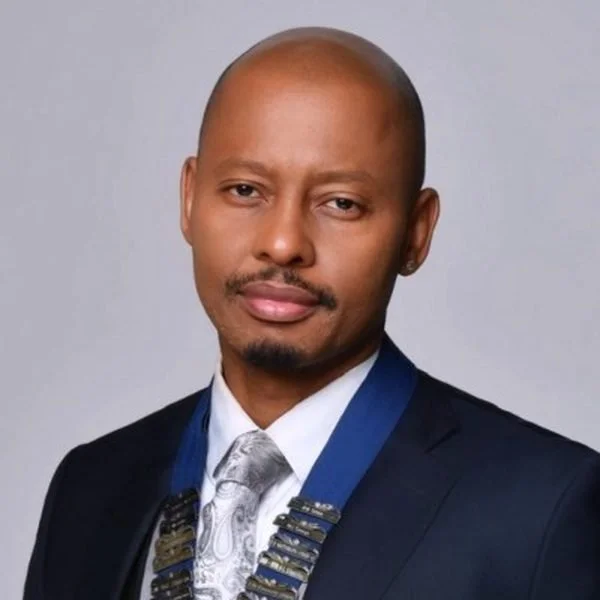
Planet-Smart Adaptive Urbanism
Mokena Makeka
F.L.O.W.
Planet-Smart Adaptive Urbanism
Mokena Makeka
F.L.O.W.
Abstract
Humanity uses 1.8 Earths, while population is projected to reach 9.7 billion by 2050. If the per-person ecological footprint remains unchanged, aggregate demand would reach 2.13 Earths. Living within one Earth therefore requires a 53.1% reduction in per-person ecological pressure. This paper frames that transition as an urban systems, design and governance imperative. It proposes Planet-Smart Adaptive Urbanism as an ontology for cities confronting climate instability, ecological degradation, infrastructure deficits, inequality and fiscal constraint in rapidly urbanising contexts. Cities are understood as interdependent systems that must meet human needs, adapt continuously and regenerate ecological capacity within planetary boundaries. The proposition is operationalised through FORESEE, connecting Community, Capital, Climate and Circularity, and explored through FLOW OS: a human-governed, AI-enabled, continuing proof-setting environment for diagnosing urban systems, assessing project readiness, structuring opportunities and connecting projects with appropriate capital and expertise through application.
Design
-
 Session Chair
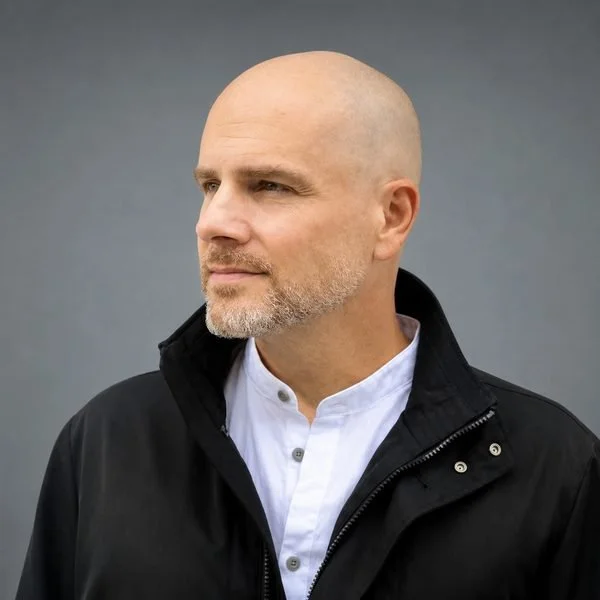
Mitchell Joachim
New York University, School of Individualized Study
Mitchell Joachim
New York University, School of Individualized Study
Biography
Mitchell Joachim is the Co-Founder of Terreform ONE and a Professor of Practice at NYU, where he also co-chairs Global Design NYU. His work explores the intersection of architecture, biotechnology, and ecological design, with a focus on developing resilient and sustainable cities. Through research, design, and interdisciplinary collaboration, he investigates how biological systems and emerging technologies can inform new approaches to architecture and urban development.
Part 1 1:40 - 2:35
-
Architecture as Social Technology: Designing the Relationships Between Us
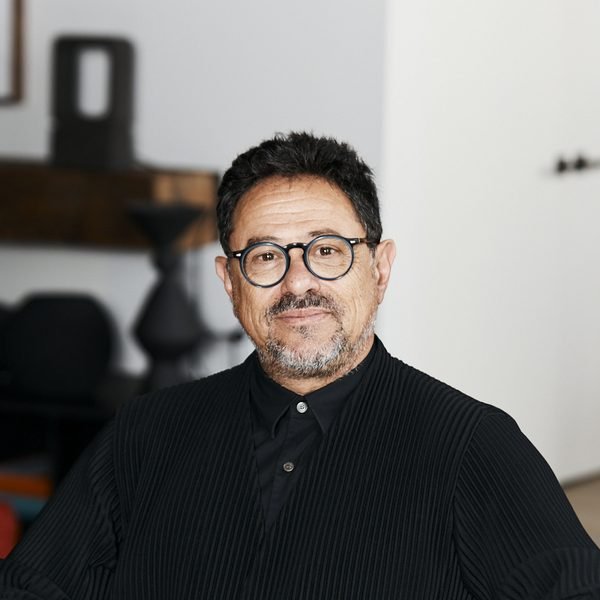
Eran Chen
ODA Architecture
Architecture as Social Technology: Designing the Relationships Between Us
Eran Chen
ODA Architecture
Biography
Eran Chen is the Founder & Executive Director of ODA, the NYC based architecture, interiors, and landscape design practice recognized for advancing a more socially engaged approach to urbanism. Since founding the firm in 2007, he has led a wide range of internationally recognized residential, hospitality, and commercial projects that challenge conventional development models and rethink urban living through socially driven, mixed-use design. Guided by the principle that "form follows experience," his work explores how architecture can shape human connection, collective life, and the evolving dynamics of dense cities. Eran has spoken widely on the idea that "architecture is social technology," framing design as a catalyst for interaction and cultural exchange.
Abstract
Cities are often understood as complex systems of infrastructure, transportation, economics, technology, and governance. Yet beneath these systems is another network that's less visible but equally consequential: relationships between people. Architecture is one technology through which those relationships are shaped. It determines where people encounter one another, how they move between public and private space, and whether density produces connection or isolation.
As cities become denser, the challenge isn't how to accommodate more people, but how to design proximity as an asset. This paper proposes urban design should consider social interaction as infrastructure, and spaces between buildings, programs, and people are as consequential as buildings themselves. Drawing on ODA’s work across multiple scales—individual interiors and shared spaces to buildings, blocks, and neighborhoods—it examines how porosity, layered thresholds, access to nature, and opportunities for informal encounter can transform density from proximity into a framework for connection.
-

Lydia Kallipoliti
Columbia University, Graduate School of Architecture, Planning and Preservation
Lydia Kallipoliti
Columbia University, Graduate School of Architecture, Planning and Preservation
Biography
Lydia Kallipoliti is Associate Professor at Columbia University’s Graduate School of Architecture, Planning and Preservation. Her work explores the intersection of architecture, technology, and environmental systems, with a focus on material reuse, recycling, waste, and self-sufficient environments. Her interdisciplinary research examines relationships between buildings, cities, and biological and ecological processes. Through design, historical research, teaching, and experimental projects, she investigates alternative approaches to transforming the built environment.
-
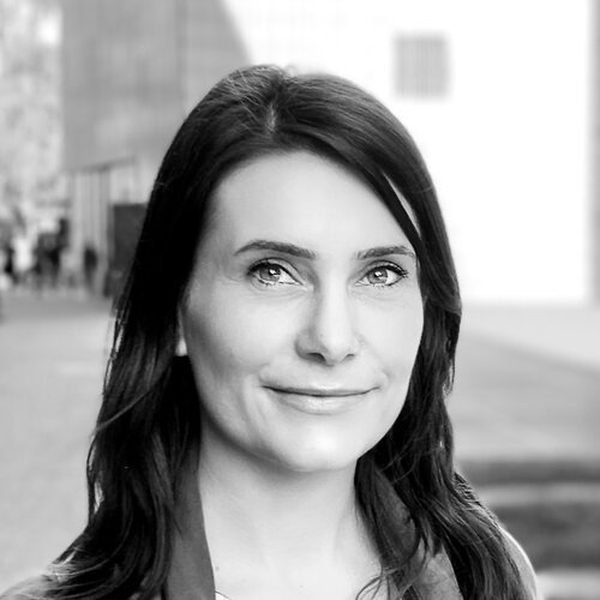
Melanie Fessel
TerreformX
Melanie Fessel
TerreformX
Biography
Melanie Fessel is Principal of Terreform X, Director of Design at Terreform ONE, and Professor at RheinMain University of Applied Sciences. Previously, she was Lecturer and Doctoral Researcher at ETH Zurich and Head of Continuing Education at Lucerne University of Applied Sciences and Arts. Her work spans sustainable architecture, urban design, biodesign, and pedagogy. She has received AIA New York, LafargeHolcim, Zumtobel, and Victor Papanek awards, and curated projects for UABB Shenzhen and the Vienna Biennale.
-

Urban Animalistic Conditions
Lidia Ratoi
University of Hong Kong
Urban Animalistic Conditions
Lidia Ratoi
University of Hong Kong
Biography
Lidia Ratoi is an architect and robotic fabrication researcher, currently Assistant Professor at the University of Hong Kong and Adjunct Assistant Professor at Columbia GSAPP. Her work investigates technological development through emerging technologies, architectural heritage, and interspecies habitats. Her projects include Reformative Coral Habitats, exploring robotic fabrication for coral restoration, and Traditional House of the Future, bringing together traditional craftsmen and robotic printing in rural China. Her research operates across architecture, technology, and ecology.
Abstract
Contemporary architectural discourse often describes cities as environments that are shaped by “humans” and “non-humans”. While this terminology aims for inclusivity, it preserves the same hierarchy it attempts to dismantle: animals, plants, microorganisms, machines and matter are all grouped through one defining characteristic - their non-humanness. By doing so, the human remains the measure against which everything else is named and addressed.
This research proposes instead to understand the city as a series of co-existences between radically different participants, agencies, and temporalities: biological, technological, human, animal, vegetal, and geological. These timelines intersect, diverge, and occasionally enter into symbiosis without requiring their participants to become alike.
As humans become increasingly dependent upon and subjected to the technological systems of their own creation, older hierarchies between nature, humanity and technology come into question. Cities might therefore be understood as the negotiations between these systems.
-
Gardening as a Gateway to Urban Nature
Marcelo Sampaio
Architects Alliance
Gardening as a Gateway to Urban Nature
Marcelo Sampaio
Architects Alliance
Biography
Marcelo Sampaio is the founder of Selva Particular, a Brazilian digital community dedicated to gardening, houseplants, and the role of nature in everyday urban life. After a long executive career in business strategy, commercial planning, transformation, and market development, he now works at the intersection of plants, cities, education, and the green economy. Through practical plant care, Marcelo uses Selva Particular as a gateway to broader conversations about ecological awareness, urban living, sustainability, and the reconnection between people and nature.
Abstract
I am the founder of Selva Particular, a Brazilian platform and community of more than 100,000 people focused on reconnecting nature with everyday urban life. Gardening is our main entry point, but the broader work explores how plants, biodiversity and greener spaces can shape the way people experience their homes, neighborhoods and cities. Through accessible content, observation and community engagement, Selva Particular translates topics such as urban ecology, biodiversity, circularity and climate resilience into practical conversations and actions. My broader background in strategy, business transformation and sustainability also informs how I explore the role of nature in creating healthier, more resilient and human-centered cities.
Part 2 2:35 - 3:15
-
Order Without Design? The Spatial Logic of New York’s Plaza Program
Simon De Boeck
New York University / Univ of Antwerp
Order Without Design? The Spatial Logic of New York’s Plaza Program
Simon De Boeck
New York University / Univ of Antwerp
Biography
Simon De Boeck is a Fellow in the Urban Expansion Program at the NYU Marron Institute and a Doctoral Researcher in Urban Planning at the University of Antwerp. His research examines the global circulation and local adaptation of transformative planning concepts through case studies in Barcelona, Medellín, and New York. Trained as an architect, he has also worked as a ministerial cabinet advisor and served as mayor, leading planning and public space projects in his hometown.
Abstract
New York’s Plaza Program has produced a network of more than 90 public spaces across the city through individual applications and local partnerships, such as BIDs and community organizations, yet it operates without a comprehensive spatial plan. Despite its scale and impact, limited research has examined the cumulative effects of these interventions on the urban system. This research investigates how repeated, project-based decisions have generated a discernible citywide pattern. It combines GIS analysis of plaza locations with a morphological classification based on three scales: street geometry, grid morphology, and citywide distribution. The concept of “order without design” (Bertaud, 2018) is used to assess whether recurring spatial configurations have emerged despite the absence of an overall design framework. The analysis then compares plaza distribution with indicators such as population density, pedestrian activity, and neighborhood income. The study identifies concentrations, gaps, and spatial regularities and evaluates how program delivery has translated into a specific morphology and distribution across New York City. Its findings can inform future policy decisions on the further development of the Plaza Program and offer a reference for other cities exploring incremental, partnership based approaches to public space expansion.
-

Beyond Proximity: Measuring City in the 15-Minute City
Maya Moussallieh
University of Pavia, Department of Civil Engineering and Architecture
Beyond Proximity: Measuring City in the 15-Minute City
Maya Moussallieh
University of Pavia, Department of Civil Engineering and Architecture
Biography
Maya Moussallieh is a Researcher in the Department of Civil Engineering and Architecture at the University of Pavia. Her work explores the intersection of architecture, urbanism, heritage, digital tools, and policy. Her research examines how design, spatial data, and cultural planning can improve urban quality of life. She also develops AI-powered tools that connect people with cities through architecture, culture, walkability, and open urban data.
Abstract
The 15-minute city has established proximity as a central principle of sustainable urban planning, focusing on whether essential services, amenities, and opportunities are accessible within short walking, cycling, or public transit distances. Yet spatial accessibility does not necessarily translate into awareness, engagement, or actual use. Urban resources may exist within a person's immediate surroundings while remaining unknown, unexplored, or disconnected from everyday urban experience.
This paper proposes a human-centred perspective on the 15-minute city by shifting attention from measuring what is spatially accessible to understanding and measuring how people actually discover, experience, and use the city. It introduces the concept of city use as a potential framework for examining the relationship between urban accessibility and lived experience, asking how individual patterns of awareness, discovery, exploration, and engagement might complement conventional measures of proximity.
The paper draws on RadiusWalk, an emerging digital urban exploration tool that complements conventional mapping and navigation with a layer of personalized urban intelligence designed to support discovery and exploration. By connecting walking-time accessibility with information about local services, public spaces, cultural amenities, and other urban resources, RadiusWalk provides a conceptual basis for investigating the gap between the accessible city and the experienced city, and for exploring how city use might be observed and measured over time.
The paper argues that integrating measures of spatial accessibility with patterns of actual city use could contribute to a more dynamic and human-centred understanding of urban systems. Rather than evaluating the 15-minute city solely by what is available within a given proximity, the proposed approach considers what people actually discover, engage with, and use within their everyday urban environment, opening a research direction toward developing measurable indicators of city use that connect urban form, accessibility, and human experience.
-
Designing Intelligent Mobility Infrastructure for the Future City
Kaan Ozbay
New York University, Department of Civil, Urban, and Environmental Engineering
Designing Intelligent Mobility Infrastructure for the Future City
Kaan Ozbay
New York University, Department of Civil, Urban, and Environmental Engineering
Biography
Kaan Ozbay is a Professor of Civil and Urban Engineering at NYU and the Founding Director of the C2SMART Center. His research focuses on intelligent transportation systems and the modeling of large-scale, complex transportation networks, with an emphasis on real-time traffic control, sensing technologies, transportation safety, and incident and emergency management. His interdisciplinary work applies simulation, optimization, and operations research to improve the performance, resilience, and efficiency of urban transportation systems.
Abstract
The future city will depend not only on new infrastructure, but on making existing infrastructure more intelligent, adaptive, and responsive. This presentation explores how emerging AI-enabled sensing technologies can reshape transportation operations at complex urban gateways such as airports and large event venues. Using existing camera networks and context-aware computer vision, critical infrastructure can evolve from a passive physical asset into an active source of real-time operational intelligence. Applications at JFK Airport and MetLife Stadium, as well as observations across major events, including the 2026 World Cup, illustrate how these technologies can support a more dynamic understanding of vehicle movement, pedestrian flows, curbside activity, and congestion at critical city infrastructure in highly variable environments. The work highlights an emerging paradigm for cities: integrating digital intelligence with physical infrastructure to create transportation systems that are more adaptive, efficient, resilient, and responsive to people.
-

Airport City Newark Economic Development Strategy
Isaiah Little
Airport City Newark Coalition
Airport City Newark Economic Development Strategy
Isaiah Little
Airport City Newark Coalition
Biography
Isaiah Little is a creative entrepreneur and cultural strategist with over a decade of experience advancing community-centered innovation, arts, and economic development. Founder and Creative Director of GalleryRetail, Isaiah created Newark First Fridays and has collaborated with organizations including Newark Arts and the Greater Newark Convention and Visitors Bureau. A Temple University entrepreneurship graduate, Isaiah blends arts, technology, culture, and storytelling to help shape Newark's creative and economic landscape.
Abstract
The Airport City Newark Economic Development Strategy Project aims to catalyze economic, social, and environmental sustainability through transit oriented urban development surrounding Newark Liberty International Airport. The airport is one of the most heavily trafficked airports in the nation and serves as an access point for global connectivity and an important economic anchor for the region. The Project intends to leverage proximity to air transport and the opening of pedestrian access to Newark Liberty International Airport Station to advance economic opportunity in Newark’s South Ward. The vision of this Project is to re-imagine a vibrant, mixed-use hub in Newark that brings new economic and cultural possibilities to the South Ward. The aim is to create a memorable, locally driven, world class gateway for New Jersey, enabling long term economic growth for local residents and the region while embedding sustainability in all aspects of the redevelopment.
Housing
-
 Session Chair
Jenna Dyer
New York City, Mayor's Office of Management and Budget
Jenna Dyer
New York City, Mayor's Office of Management and Budget
Biography
Jenna Dyer is an analyst on NYC's Office of Management and Budget housing team, specializing in the capital budget. She holds an MPA from NYU Wagner and a bachelor's from Fordham University. Her research focuses on developing fiscally and environmentally sustainable housing. Prior to joining city government, she worked at the Wildlife Conservation Society's Prospect Park Zoo, where she developed a passion for both municipally financed community resources and sea lions.
Abstract
This paper provides an overview of Mayor Zohran Mamdani’s Block by Block: The Housing Plan for a New Era, which calls for creating 200,000 new affordable homes and preserving 200,000 existing affordable homes over ten years. It situates the plan within New York City’s recent history of mayoral housing planning, including Bloomberg’s New Housing Marketplace Plan, de Blasio’s Housing New York and Housing New York 2.0, and Adams’s Housing Our Neighbors. The paper compares Block by Block’s 400,000-unit affordable-housing target with prior production and preservation commitments and annual affordable-housing financing benchmarks. It also notes differences in definitions, time horizons, and housing categories that limit direct comparison. The paper is intended as a foundation for future analysis of the plan’s financing, implementation, and results.
Part 1 3:15 - 3:45
-
Moses Gates
Regional Plan Association, Housing and Neighborhood Planning
Moses Gates
Regional Plan Association, Housing and Neighborhood Planning
Biography
Moses Gates is Vice President for Housing and Neighborhood Planning at the Regional Plan Association. His work focuses on affordable housing, economic development, and neighborhood planning, with an emphasis on livable and equitable urban communities. He leads research and policy efforts on housing affordability, neighborhood development, urban design, regional planning, and housing policy. His work also advances community-based approaches to housing and neighborhood development and builds partnerships across sectors and regions.
-
Marcel Negret
Regional Plan Association, Land Use
Marcel Negret
Regional Plan Association, Land Use
Biography
Marcel Negret is Director of Land Use at Regional Plan Association, where he leads research on housing, economic development, and environmental issues. He uses spatial analysis and policy to guide the organization's advocacy efforts. Previously, he was a Senior Project Manager at the Municipal Art Society of New York and worked with Bronx Community Boards. Marcel also teaches, frequently guest lectures at various universities, and holds an MSc in Urban Environmental Systems from Pratt Institute.
-

Predatory Home Flipping in New York City and the Impacts on Affordability in Communities of Color
Alaina Turnquist
Pratt Institute, Center for Community Development
Predatory Home Flipping in New York City and the Impacts on Affordability in Communities of Color
Alaina Turnquist
Pratt Institute, Center for Community Development
Biography
Alaina Turnquist is Data and GIS Manager at Pratt Institute’s Center for Community Development. Her work focuses on housing, land use, and climate, using quantitative and geographic analysis to support research and policy. Her research examines predatory home flipping and corporate speculation affecting 1–3 unit homes in New York City, particularly in low- and moderate-income communities of color. She also studies public authorities, tax incentives, large-scale development, and city agency budgets.
Abstract
In the last five years, 10,053 homes were flipped across New York City, primarily in neighborhoods of color. In some areas flips represented 30% of recent sales. Our analysis finds that home flipping contributes to displacement pressures on vulnerable homeowners and tenants and drives up home prices for prospective homebuyers. We home flipping effects were especially stark in already cost-burdened neighborhoods of color, contributing to the city’s record-high housing costs, growing racialized wealth inequality, and loss of Black residents. In a moment of political momentum to tackle affordability, there is an urgent need and opportunity to curb corporate speculation on New York City’s small homes.
Part 2 3:45 - 4:30
-

Gowanus at the Crossroads: Brownfield Redevelopment, Climate Resilience, and Urban Equity
Mark Yarish
New York University, Center for Global Affairs
Gowanus at the Crossroads: Brownfield Redevelopment, Climate Resilience, and Urban Equity
Mark Yarish
New York University, Center for Global Affairs
Biography
Mark Yarish, PhD, is a Brooklyn-based sustainability researcher, data analytics educator, and public scholar. He teaches data analytics at New York University and LaGuardia Community College (CUNY). His research examines environmental justice, GeoAI, climate resilience, and equitable urban redevelopment. Dr. Yarish serves on the Gowanus Canal Community Advisory Group, which advises the U.S. Environmental Protection Agency, and the Gowanus Oversight Task Force, supporting the long-term cleanup and stewardship of the Gowanus Canal.
Abstract
The Gowanus Canal in Brooklyn is a complex brownfield redevelopment case where Superfund remediation, climate adaptation, rezoning, and housing growth converge. This paper examines how environmental cleanup and resilience investments can reduce exposure and improve infrastructure while also increasing land values, development pressure, and displacement risk. Drawing on public environmental data, agency and planning documents, and records of community oversight, the paper focuses on the relationship between remediation, neighborhood change, and governance. It argues that environmental repair is not socially neutral and that cleanup cannot be evaluated separately from affordability, public health, and residential stability. The paper outlines a concise equity-centered approach based on spatially specific environmental data, cumulative-impact review, community oversight, and long-term housing protections. Gowanus serves as a focused case study of whether cities can remediate contaminated industrial districts without allowing environmental improvement to accelerate inequitable redevelopment.
-

Raising the Streets, Raising the Neighborhood: Infrastructure, Affordable Housing in Coney Island West
Sherry Aine Te
New York City, Economic Development Corporation
Raising the Streets, Raising the Neighborhood: Infrastructure, Affordable Housing in Coney Island West
Sherry Aine Te
New York City, Economic Development Corporation
Biography
Sherry Aine Te is a Project Manager at the NYC Economic Development Corporation, delivering capital projects that advance infrastructure, waterfront resilience, and equitable economic growth, including QueensWay Metropolitan Hub and Coney Island West Streets Reconstruction. Her work blends design excellence with public impact, shaped by experience at MVRDV, AECOM, OMA, and CannonDesign, and degrees in Architecture and Urban Planning from Columbia GSAPP. A Metropolis Future100 and AIAS Crit Scholar, she is a leading voice in urbanism.
Abstract
Since the rezoning of Coney Island in 2009, the area has undergone a remarkable revitalization. New York City Economic Development Corporation (NYCEDC), in partnership with City agencies and the MTA, has catalyzed this transformation with over $750 million in public investment over the past 15+ years. This rezoning aims to generate over 3,400 new homes, and is delivered through the investment of neighborhood infrastructure like new sewers and streets. This case study presents the Coney Island West masterplan as an instructive example of the evolving practice of public-sector, especially in supporting the delivery of affordable housing developments to increase housing supply. The Coney Island West Streets reconstruction that provides the community of new sewers and streets also supports economic development in the Coney Island waterfront area adjacent to the Maimonides Park stadium and the adjacent sites to the boardwalk, where the newly formed Coney Island Business Improvement District benefits. These raised streets not only provides the foundation infrastructure for affordable housing Parcels A, C, & D, but the street profiles are also raised, for resiliency measures, to provide protection against sea-level rise, and mega-storms like Hurricane Sandy that has devastated the area previously.
This case study aims to hone in on the importance of infrastructure needed to support affordable housing, as outlined in NYCEDC’s Coney Island rezoning masterplan (https://edc.nyc/sites/default/files/2025-02/NYCEDC-Project-Coney-Island-West-Brochure-Web.pdf). This case study is suggested to be in the Housing panel, in which can also highlight the close collaboration between agencies, such as EDC and OMB, to achieve a shared goal of delivering affordable housing in New York City.
-

Reading Public Housing at Scale, 1900–2026
Amy Chen
Harvard University, Graduate School of Design
Reading Public Housing at Scale, 1900–2026
Amy Chen
Harvard University, Graduate School of Design
Biography
Amy Chen is a Master in Urban Planning candidate at the Harvard Graduate School of Design. She holds a B.A. in Economics and Mathematical Probability from Columbia University. Her research applies spatial econometrics, network analysis, and human-in-the-loop automation pipelines to questions of real estate, infrastructure, and climate resilience. She previously built civic-technology tools at Block Party and writes about cities and AI at Load Bearing on Substack.
Abstract
How did the public narrative surrounding New York City public housing change over time, and what can that history tell us about NYCHA’s future? This paper uses sentiment analysis to reconstruct changing perceptions of public housing on the Lower East Side. I assemble a 10,118-article New York Times corpus spanning 1900–2026 and combine domain-adapted VADER sentiment analysis, semantic-drift correction, a five-frame classifier distinguishing reform, construction, conflict, pathology, and crisis, and Bai-Perron structural-break detection. The results reveal a striking sequence: reform and construction dominate early coverage; conflict rises to 17.5% by the 1950s; pathology reaches 16% only in the 1990s; and crisis emerges later. This ordering suggests that institutional legitimacy deteriorated cumulatively rather than through a single policy failure. The findings support the story for why NYCHA must move beyond traditional public funding models toward innovative financing and governance mechanisms.
-
Housing Affordability Can Be Solved in One Generation
Matthew Kwatinetz
New York University, Urban Lab
Housing Affordability Can Be Solved in One Generation
Matthew Kwatinetz
New York University, Urban Lab
Abstract
About 50% of US renters (22.4 million households) are rent-burdened. Housing affordability is addressed distinctly as either a “market” (supply) or “income” (demand) issue. After two years of research, the NYU Urban Lab at the Schack Institute of Real Estate has released new research in partnership with the National Multifamily Housing Council’. The toolkit presents a series of original datasets that outline a housing affordability “urban system” in the interplay between LIHTC (Capital A) housing production, urban affordability (economic basket of goods approach), regulatory policy (inclusive of supply elasticity), and Naturally Occurring Affordable Housing (NOAH) systems intersecting with demographics around income generation. A new metric, Time To Address, is introduced to demonstrate that current policy approaches would require 157 years to achieve any real progress. This new research presents alternatives against the landscape of 50 states and the 50 largest MSAs in the US.
Innovation
-
 Session Chair
Simon Sylvester-Chaudhuri
CIV:LAB
Simon Sylvester-Chaudhuri
CIV:LAB
Biography
Simon Sylvester-Chaudhuri is the Founder of CIV:LAB and Chair of the Board of Terreform ONE, working at the intersection of climate, innovation, and cities. His work focuses on developing collaborative models that bring together diverse organizations and communities to address complex urban and climate challenges. With experience spanning economics, entrepreneurship, and urban innovation, he is particularly interested in scaling place-based solutions that generate lasting environmental, social, and economic impact.
Part 1 4:45 - 5:15
-
Towards a future beyond fossil fuels: Lessons from a refinery town in transition
Michelle Chan
Asian Pacific Environmental Network
Towards a future beyond fossil fuels: Lessons from a refinery town in transition
Michelle Chan
Asian Pacific Environmental Network
Biography
Michelle Chan is Co-Executive Director of the Asian Pacific Environmental Network. Her work advances environmental justice by building the power of Asian immigrant and refugee communities and supporting climate resilience, affordable housing, and a just transition from fossil fuels. Previously, she provided strategic leadership at Friends of the Earth U.S. on climate, energy, oceans, food, and economic justice. She also serves as Board Chair of BankTrack and is active in community organizing.
-
Scaling Place Based Climate Resilience: Lessons from Frontline Leaders
Ana Baptista
The New School, Parsons School of Design
Scaling Place Based Climate Resilience: Lessons from Frontline Leaders
Ana Baptista
The New School, Parsons School of Design
Biography
Ana Baptista is Associate Professor of Environmental and Climate Justice at Parsons School of Design, The New School. Her work focuses on environmental and climate justice, with particular attention to cumulative environmental burdens, land use, planning, and waste. Her research examines how policy and planning can address environmental inequality, including through cumulative-impact policies, climate adaptation, and carbon management. She combines scholarship with community-engaged practice to advance equitable environmental and climate policies.
-
Place-Based Innovation: What Role Should University Labs Play
Brian A. Smith
Columbia University
Place-Based Innovation: What Role Should University Labs Play
Brian A. Smith
Columbia University
Biography
Brian A. Smith is Associate Professor of Computer Science at Columbia University, where he directs the Computer-Enabled Abilities Laboratory and is an affiliate of the Data Science Institute’s Data, Media, and Society Center and Smart Cities Center. His research explores how computing can augment human abilities through engineering, social science, design, and games. His recent work includes assistive technologies for blind users, social computing systems, and smart city infrastructure integrating AI and augmented reality.
Abstract
Place-based innovation depends on community knowledge, but that knowledge often lacks a path into prototypes, evidence, and systems that institutions can adopt. A major question, then, is: What role should university research labs play in translating insights from lived experience into sustainable civic infrastructure? I will discuss how university labs can serve as translation infrastructure, drawing on two projects where my lab has tried to do this in practice: one that works with blind and low-vision pedestrians, transportation agencies, and nonprofits to make street navigation safer and more independent; and another that works with Harlem residents to imagine technologies for sharing local resources, stories, and opportunities without erasing neighborhood identity. I will use these cases to discuss the promise and pitfalls of treating universities as translation infrastructure for civic innovation
Part 2 5:15 - 5:45
-

Distributed energy resources and digitally connected buildings
Michael Bobker
City College of New York, Building Performance Lab
Distributed energy resources and digitally connected buildings
Michael Bobker
City College of New York, Building Performance Lab
Biography
A NYC-based energy engineer and founder of the CUNY Building Performance Lab at the City College of New York.
Abstract
Distributed energy resources and digitally connected buildings enable the creation of community-based virtual power plants, providing dispatchable resources to the grid. Cogeneration at large “anchor” institutions can be the basis of thermal energy networks supporting high-efficiency water-source heat pumps while reducing loads on the grid and providing back-up sources of power in emergencies. Localized energy resilience is a key capacity for response to peak conditions brought on by climate change. Retrofitting districts is a significant shift from present building-by-building approaches that are failing to achieve implementation at scale. Retrofitting for district-level energy can connect with other aspects of local infrastructure such as open space planning, storm water management, and air quality monitoring as well as creating local economic development and revitalizing civic participation in local governance.
-
Mechanisms for Accelerating Urban Transformation
Jason Whittet
KPMG
Mechanisms for Accelerating Urban Transformation
Jason Whittet
KPMG
Biography
Jason Whittet is Director of Business Development at KPMG. With over 20 years of experience, his work focuses on technology-enabled public sector transformation, including cloud, data, emerging technologies, and digital infrastructure. He specializes in public sector procurement and large-scale technology initiatives, drawing on leadership experience across government, technology, and philanthropy. His current interests include digital public infrastructure and the application of AI to public services.
Abstract
Digital Public Infrastructure (DPI) is increasingly recognized as a foundational enabler of inclusive, efficient, and trusted public services. While significant progress has been made through open-source Digital Public Goods such as digital identity, payments, registries, and data exchange platforms, many governments continue to struggle with scaling and sustaining these solutions. This presentation argues that the next frontier of DPI is not technology itself, but the development of “Implementation Infrastructure” - the institutional, operational, and governance mechanisms that enable successful adoption at scale. Drawing on global examples, the session introduces four critical mechanisms: Centers of Excellence, Landing Zones, Digital Adoption Platforms, and Digital Marketplaces. Together, these capabilities address common barriers including fragmented governance, limited technical capacity, procurement challenges, security concerns, and low user adoption. Attendees will gain a practical framework for accelerating DPI deployment, strengthening digital sovereignty, and transforming successful pilots into sustainable national platforms that deliver lasting public value.
-
AdaptBase: An Open Ontology and Agentic Knowledge Graph Extraction
Anthony Townsend
Cornell Tech, Urban Tech Hub
AdaptBase: An Open Ontology and Agentic Knowledge Graph Extraction
Anthony Townsend
Cornell Tech, Urban Tech Hub
Biography
Anthony M. Townsend is a Senior Research Associate at Cornell Tech's Urban Tech Hub and Faculty Fellow at Cornell's Atkinson Center for Sustainability, where he leads the Adaptbase project. He is the author of Smart Cities (W.W. Norton, 2013) and Ghost Road (W.W. Norton, 2020), and is writing FIREWALL: The New Technology of Climate Adaptation for MIT Press.
Abstract
Climate adaptation knowledge is unevenly distributed. Well-resourced cities publish detailed plans and evaluate their interventions; under-resourced municipalities—often those facing the gravest climate risks—lack the capacity to synthesize what has worked elsewhere. This asymmetry entrenches inequity: adaptation strategies circulate among the cities best positioned to act, while the communities most exposed to hazards remain least able to learn from the field. We present AdaptBase, an open knowledge graph platform designed to democratize access to climate adaptation knowledge by making it structured, queryable, and freely available.
AdaptBase rests on an open domain ontology (~20 entity types, ~50 relationships) formalizing the vocabulary of urban resilience: hazards, assets, interventions, governance actors, and the populations they affect. An agentic extraction pipeline ingests adaptation documents from cities of every size, using large language models to extract knowledge graph triplets that preserve a complete provenance chain from each assertion back to its source—so users can audit not only what an intervention claims to achieve, but who it was designed to serve and under what conditions.
By encoding distributional dimensions directly in the ontology, the graph makes equity queryable: which populations benefit from which interventions, where adaptation investment concentrates, and which communities are underserved. Because the graph surfaces its own structural gaps, targeted agentic research can be directed toward the under-documented cities that conventional knowledge synthesis overlooks.
We discuss the platform's architecture and its potential to lower the barrier to evidence-based, equitable adaptation planning for cities that need it most.
All Speakers
-
Symposium Chair
Masoud Ghandehari
Professor · New York University, Tandon School of Engineering
New York University
-
Session Chair · Health
Jo Ivey Boufford
Clinical Professor of Global Health · New York University, School of Global Public Health
New York University
-
Session Chair · Law & Policy
Katrina Wyman
Professor of Property Law · New York University, School of Law
New York University
-
Session Chair · Climate Resilience
George Thurston
Professor of Medicine and Population Health · New York University, School of Medicine
New York University
-
Session Chair · Design
Mitchell Joachim
Professor of Practice · New York University, School of Individualized Study
New York University
-
Session Chair · Housing
Jenna Dyer
Analyst · New York City, Mayor's Office of Management and Budget
New York City
-
Session Chair · Innovation
Simon Sylvester-Chaudhuri
Founder & Executive Director · CIV:LAB
CIV:LAB
-
Master of Ceremonies
Francisco Pineda
The New School
The New School
-
Speaker
Alexander Azan
Assistant Professor · New York University, School of Medicine
New York University
-
Speaker
Ana Baptista
Associate Professor of Environmental and Climate Justice · The New School, Parsons School of Design
The New School
-
Speaker
Christine Billy
Adjunct Professor of Clinical Law · New York University, School of Law
New York University
-
Speaker
Kiera Bloch
Program Manager · New York University, School of Global Public Health
New York University
-
Speaker
Michael Bobker
Director · City College of New York, Building Performance Lab
City College of New York
-
Speaker
Ryan Brenner
Ph.D. Candidate · New York University, Tandon School of Engineering
New York University
-
Speaker
Michelle Chan
Co-Executive Director · Asian Pacific Environmental Network
Asian Pacific Environmental Network
-
Speaker
Amy Chen
Master's Student · Harvard University, Graduate School of Design
Harvard University
-
Speaker
Chin-Wei Chen
Postdoctoral Researcher · Rutgers University, Alan M. Voorhees Transportation Center (VTC), Bloustein School of Planning and Public Policy
Rutgers University
-
Speaker
Eran Chen
Founder & Executive Director · ODA Architecture
ODA Architecture
-
Speaker
Simon De Boeck
Urban Planning Researcher · New York University / Univ of Antwerp
New York University / Univ of Antwerp
-
Speaker
Ingrid Gould Ellen
Professor of Urban Policy and Planning · New York University, Graduate School of Public Service
New York University
-
Speaker
Melanie Fessel
Principal · TerreformX
TerreformX
-
Speaker
Snigdha Garg
Head of Adaptation Research and Performance · C40
C40
-
Speaker
Moses Gates
Vice President · Regional Plan Association, Housing and Neighborhood Planning
Regional Plan Association
-
Speaker
Oriol Gavaldà
Manager · Concordia University, Decarbonization Initiatives
Concordia University
-
Speaker
Lydia Kallipoliti
Associate Professor · Columbia University, Graduate School of Architecture, Planning and Preservation
Columbia University
-
Speaker
Matthew Kwatinetz
Clinical Assistant Professor · New York University, Urban Lab
New York University
-
Speaker
Emma Lecavalier
Postdoctoral Researcher · University of Oxford, School of Government
University of Oxford
-
Speaker
Isaiah Little
Executive Commitee · Airport City Newark Coalition
Airport City Newark Coalition
-
Speaker
Mokena Makeka
Founder · F.L.O.W.
F.L.O.W.
-
Speaker
Nathaniel Mattison
Senior Fellow · New York University, School of Law, Guarini Center on Environmental, Energy & Land Use Law
New York University
-
Speaker
Maya Moussallieh
Researcher · University of Pavia, Department of Civil Engineering and Architecture
University of Pavia
-
Speaker
Marcel Negret
Director · Regional Plan Association, Land Use
Regional Plan Association
-
Speaker
Yoko Nogami
Master's Student · New York University, School of Global Public Health
New York University
-
Speaker
Kaan Ozbay
Professor · New York University, Department of Civil, Urban, and Environmental Engineering
New York University
-
Speaker
Vera Parlac
Associate Professor · New Jersey Institute of Technology
New Jersey Institute of Technology
-
Speaker
Marcelo Sampaio
Architect · Architects Alliance
Architects Alliance
-
Speaker
Lidia Ratoi
Assistant Professor · University of Hong Kong
University of Hong Kong
-
Speaker
Samuel Robinson
Owner · Field Form / Flood Form
Field Form / Flood Form
-
Speaker
Jose Siri
Researcher · HCx Global
HCx Global
-
Speaker
Brian A. Smith
Associate Professor of Computer Science · Columbia University
Columbia University
-
Speaker
Sherry Aine Te
Project Manager · New York City, Economic Development Corporation
New York City
-
Speaker
James Tiburcio
Research Fellow · University of São Paulo, Institute of Advanced Studies
University of São Paulo
-
Speaker
Anthony Townsend
Senior Research Associate · Cornell Tech, Urban Tech Hub
Cornell Tech
-
Speaker
Alaina Turnquist
Data and GIS Manager · Pratt Institute, Center for Community Development
Pratt Institute
-
Speaker
Pia Wackler
Research Assistant · Ostbayerische Technische Hochschule Amberg-Weiden, Department of Electrical Engineering, Media and Computer Science
Ostbayerische Technische Hochschule Amberg-Weiden
-
Speaker
Jason Whittet
Director of Business Development · KPMG
KPMG
-
Speaker
Mark Yarish
Adjunct Instructor · New York University, Center for Global Affairs
New York University
-
Speaker
Wuyue Yu
Postdoctoral Researcher · New York University, School of Global Public Health
New York University

Registration
Registration fees
General Admission: $95.00
Student Admission: $65.00
Registration will be processed until capacity is reached.
Submit Abstract (Closed)
Abstract submission has been closed.
Organization
Symposium Chair
Masoud Ghandehari, Professor, NYU School of Engineering
Steering Committee
Jo Ivey Boufford, Professor, NYU School of Global Public Health
Katrina Wyman, Professor, NYU Law School
Mitchell Joachim, Professor, NYU Gallatin School of Individualized Study
George Thurston, Professor, NYU School of Medicine
Contact
Sohei Yamada, Symposium Secretary, admin@urbansystems.org